

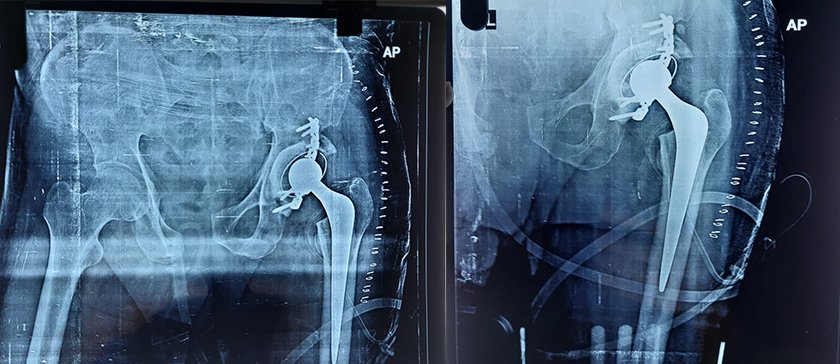
Advanced Hip Replacement for Pain Relief and Improved Mobility : Total Hip Replacement (THR) is a highly successful surgical procedure that relieves chronic hip pain, restores joint function, and improves overall quality of life. It is commonly recommended for patients with severe hip arthritis, hip joint damage, or fractures who have not found relief through non-surgical treatments..
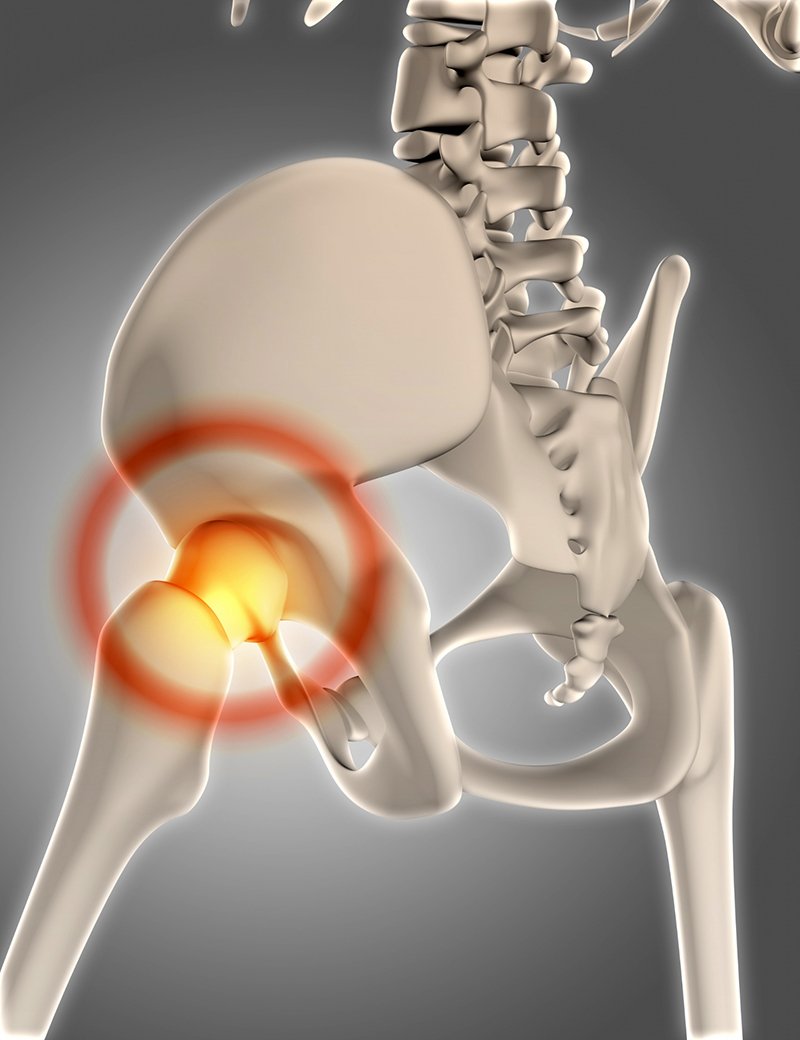
What Is Total Hip Replacement?
Total hip replacement, also known as hip arthroplasty, involves removing the damaged portions of the hip joint and replacing them with an artificial implant. The damaged hip socket is fitted with a prosthetic cup, and the femoral head is replaced with a metal or ceramic ball attached to a stem, allowing smooth and pain-free movement.
Who Needs Total Hip Replacement?
-
You may be a candidate for total hip replacement if you experience:
Persistent hip pain affecting daily activities
Difficulty walking, sitting, or bending
Hip stiffness or reduced range of motion
Pain that continues despite medication, physiotherapy, or injections
Hip joint damage due to arthritis, injury, or avascular necrosis
Total Hip Replacement: Your Path to Pain-Free Living
Living with chronic hip pain can make even the simplest tasks—like putting on your shoes or walking to the mailbox—feel like a mountain to climb. If conservative treatments like physical therapy and medication are no longer working, Total Hip Replacement (THR), also known as hip arthroplasty, may be the key to regaining your independence.
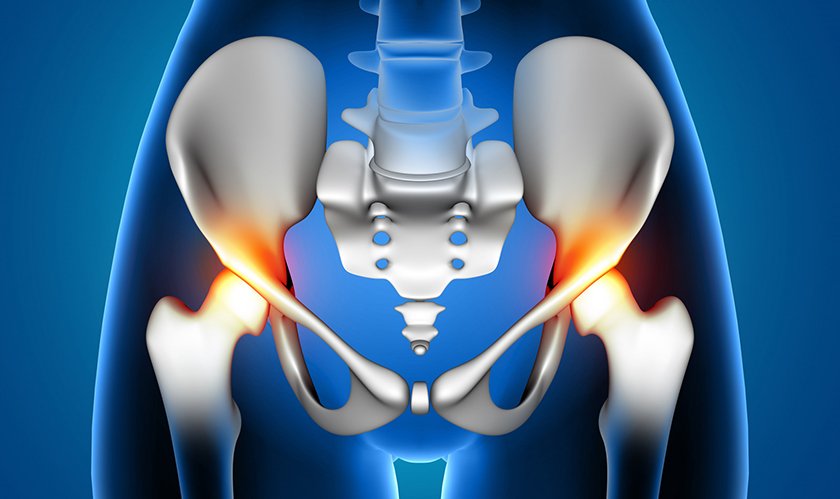
Hip Joint Replacement - The Procedure
When the surgical team is ready, you’ll be taken to the operating room. There you’ll be given anesthesia. The anesthesia will help you sleep through surgery, or it will make you numb from the waist down. Then an incision is made, giving the surgeon access to your hip joint. The ball is cut from the thighbone, and the surface of the old socket is smoothed. Then the new socket is put into the pelvis. The socket is usually press-fit and may be held in place with screws or cement. A press-fit prosthesis has tiny pores on its surface that your bone will grow into.
The new hip stem is inserted into the head of your thighbone. After the stem is secure in the thighbone, the new ball and socket are joined. The stem of the prosthesis may be held with cement or press-fit. Your surgeon will choose the method that is best for you. After the new joint is in place, the incision is closed with staples or stitches.
Today, many patients who have hip replacement surgery can move their joint more easily, have less pain and are able to walk more comfortably for up to 20 years after surgery.
When is it Time for Surgery?
Deciding to have surgery is a big step. You may be a candidate for a hip replacement if you experience:
- Persistent Pain: Hip pain that keeps you awake at night or hurts even while resting.
- Stiffness: Difficulty lifting your leg or bending at the waist.
- Loss of Function: You find yourself avoiding social activities or exercise because of hip discomfort.
- No Relief: You’ve tried cortisone shots, physical therapy, and anti-inflammatories without success.
Book an Appointment
If hip pain is limiting your mobility or independence, total hip replacement surgery may be the right solution. Schedule a consultation today to discuss treatment options and regain a pain-free, active lifestyle.